🐾 Breed guide
Schnauzer
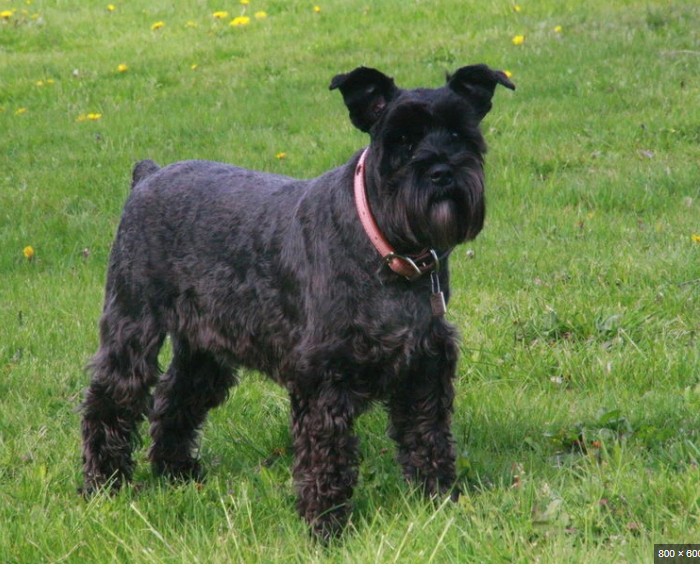
The Schnauzer is a distinctive and versatile German breed whose name comes from the German word "Schnauze," meaning "snout" or "muzzle" – a fitting name for a dog defined by its iconic bushy beard, arched eyebrows, and bristly moustache that give it a wise, almost human-like expression.
📖 About the Schnauzer
The Standard Schnauzer is the original of the three Schnauzer sizes and dates back to at least the 15th century, where it appears in paintings by Albrecht Dürer and Lucas Cranach the Elder. Originally bred as an all-purpose farm dog in the Bavarian countryside, the Schnauzer excelled as a ratter, guard dog, and herder. Its wiry, weather-resistant coat protected it from both vermin bites and harsh German winters.
The Miniature Schnauzer was developed by crossing Standards with smaller breeds like the Affenpinscher and Poodle, while the Giant Schnauzer was created by crossing with Great Danes and Bouvier des Flandres for cattle-driving duties. All three sizes share the breed's trademark intelligence, spirited personality, and distinctive facial furnishings.
Schnauzers are remarkably versatile dogs – highly intelligent, eager to learn, and capable of excelling in obedience, agility, tracking, and therapy work. They are alert and naturally watchful, making them excellent watchdogs with a deep, authoritative bark that belies their size.
Despite their serious, almost stern appearance, Schnauzers are playful, affectionate, and deeply loyal family dogs with a wonderful sense of humour. They form strong bonds with their families and are known for being particularly good with children. In India, the Schnauzer – especially the Miniature variety – has gained considerable popularity as an adaptable, low-shedding companion that thrives in urban environments.
🫧 Care tips
- Their wiry coat requires regular brushing and professional hand-stripping or clipping every 6–8 weeks to maintain proper texture
- Clean and trim their signature beard regularly – it collects food and water and can become smelly if neglected
- Provide 1 to 1.5 hours of daily exercise – walks, play, and mental challenges keep them stimulated and well-behaved
- They are intelligent and can be stubborn – consistent, positive training from an early age is essential
- Reasonably adaptable to Indian climates – their wiry coat provides some heat tolerance, but provide shade and water during peak summer
Time for a spa day?
Petgully grooms come to your doorstep, anywhere in Hyderabad.